Reforms and Stricter Laws, India’s Growing Agriculture Needs Directing
With more than 15% of the world’s hungry and impoverished population residing in India, food security is a passing day concern for both today’s generations and the one that will follow suit.
To address the rising demands, agriculture in India will have to be reformed and quickly so. With sustainable agriculture becoming the way of life in India, it will solve two major problems, which take a toll on our capacity to feed our bulging population.
- Higher Resource Efficiency
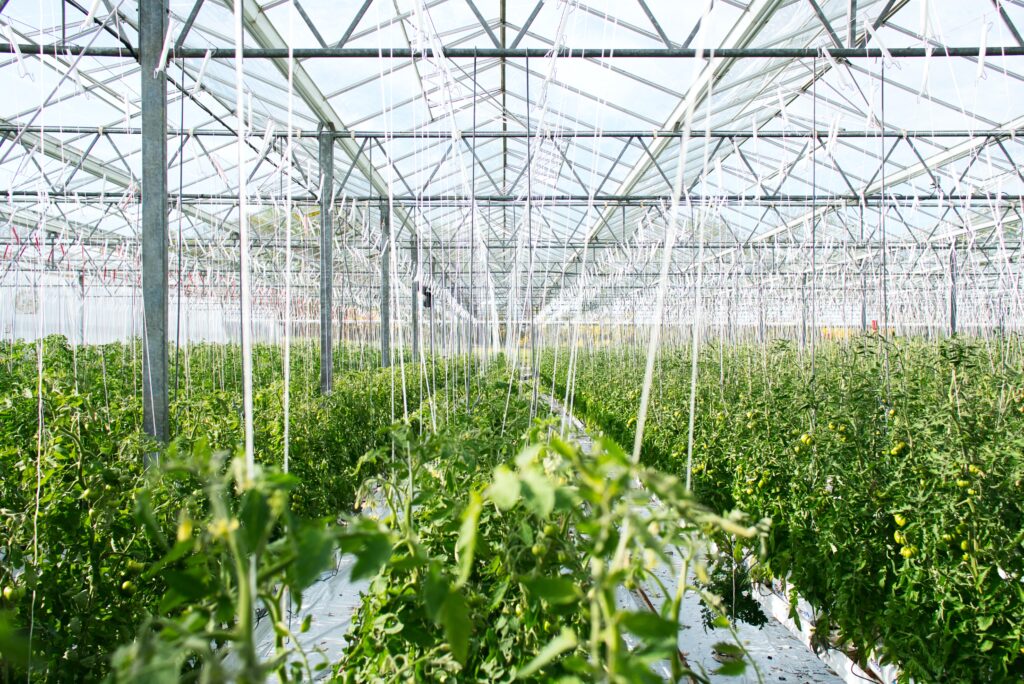
Sustainable agriculture techniques enable higher resource efficiency – meaning greater agricultural output with every produce. This usually happens with a combination of techniques, both mechanic and organic. Better mechanics, engineering prowess, and tools have enabled farmers in India to increase their productivity over the last decade.
- Less Utilization of Land Per Unit
Sustainable agriculture in India is also necessary because it can solve the problem of land shortage. India is running out of fertile land and a lot of the country’s area has been turned into a waste zone, mainly due to the burn and move techniques used to grow certain cash crops.
By using lesser land, water, electricity, and fuel a farmer in India can now improve his profitability unlike the case in traditional farming.
There are other factors and advantages of sustainable agriculture, which you can read about in a separate article. [Note for owner: can be written in continuity to this article]
The fact remains – to grow and prosper without hurting the chances of a prospering future, we must adapt and innovate. Adapt, in our way of living, and innovate, our means of production and utilization of our natural resources.
Act or Perish: Time Is Not A Luxury For Agriculture In India
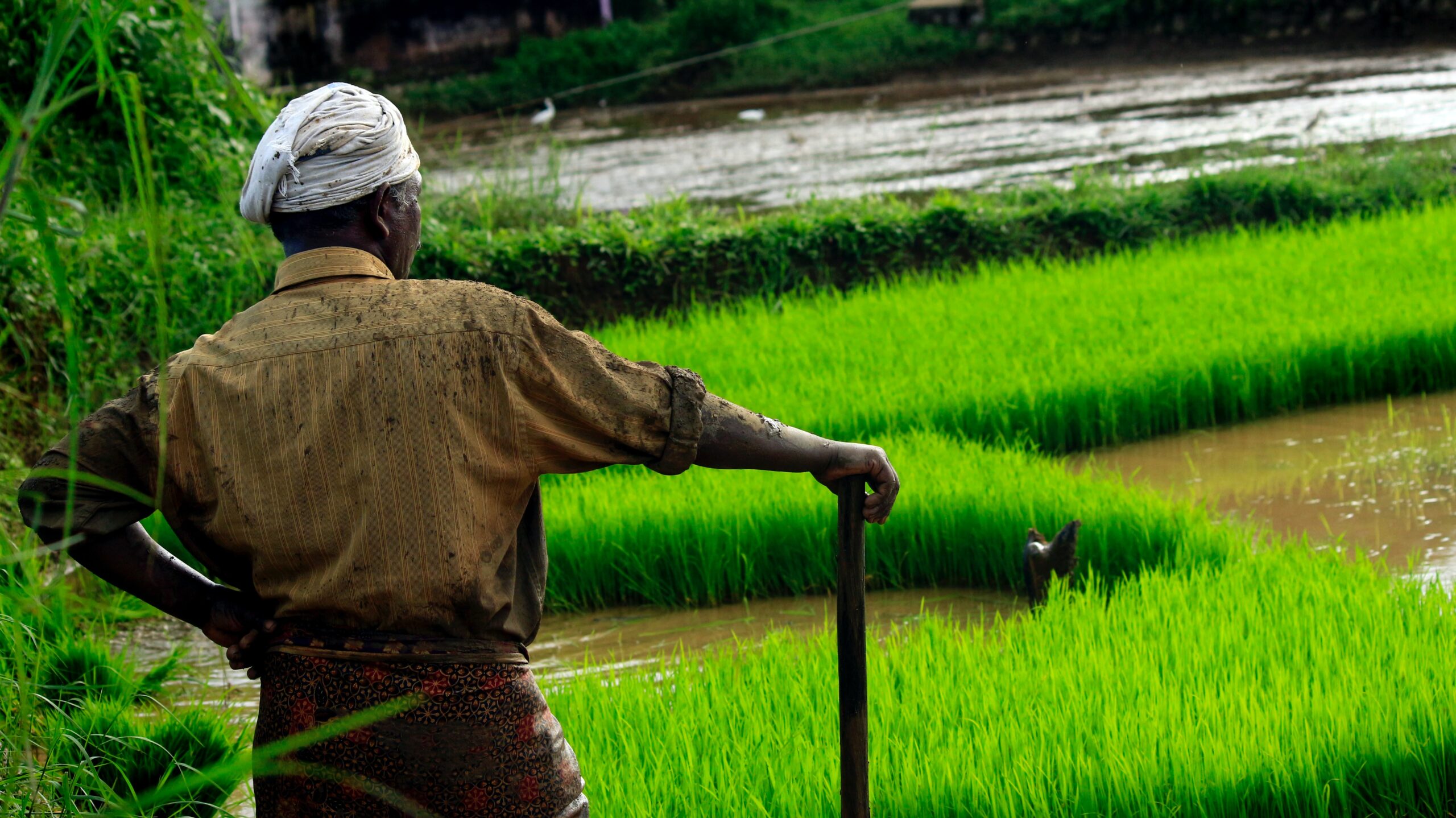
Agriculture in India has been the primary sector and we’re an economy that thrives because of our ability to produce crops, both consumable and cash kinds, in abundance. But despite 58% of our population being engaged in the agricultural sector, India is not meeting its targets of feeding a humungous population.
According to the Agriculture and Food Organization of the UN, more than 200 million people have inadequate or no food in the country. Madhya Pradesh, Bihar, Jharkhand, Chhattisgarh, Gujarat, and Orissa are some of the poorest states when we compare the hunger index.
Before it gets out of control, the Indian government should sanction funds and mend ways to pave the way for sustainable agriculture and farming to blossom in the country. But a stern challenge lies ahead as we even start to debate the seriousness of the situation, both in India and abroad.