
From the year 1995 to 2015, China’s demographic dividend boosted the country’s economy multifold. Though a booming increase for more than 2 decades, the growth eventually slowed down as the Chinese approached, what experts call, demographic ageing.
Whether a country’s economy is in question or its booming/declining population, the actual change – which was propelled by a change in the age structure of the country – is visible when we take into account the overall demographic dividend.
China to India: Still Developing After All The Years?
After China, India was touted to become the world’s next big developed economy. The primary reason for this belief was the existing young population of the country, which was far better than what China can afford since the late 2015s.
In 2018, the dependent population was finally dwarfed by those in the working population. Reports suggested that the current working population of India (since 2018) is expected to last for 37 more years, i.e., until 2055.
Contradictions – Education & Not Just Population Will Help
Child education statistics in the country have dwindled, left and right, since 2014 and have hampered India’s hopes with its young and dynamic working population.
Education, not the country’s age-structure, will bring a better demographic dividend
While, sometimes, demographic change is narrowly viewed as only referring to changing age structure, both common usage by the public and authoritative scientific definitions have a broader view that includes changes with respect to several demographic dimensions.
In India – surely there’s a boom in the working population, which has dwarfed their dependent counterparts but that’s not it. These people, in order to bolster the economy, have to secure their rights, take the chance given to them, and ultimately find work to contribute to the country’s economy.
This takes time. The process of contributing to the country’s economy starts with the introduction & provision of basic education. So it is vital to understand that merely improving the country’s infrastructure is not enough – one has to invest in the child education standards alongside.
Child Education In India – A Myth Busted
Talking statistics, the overall literacy rate of the world’s second-largest democracy stands at 65.38% with 75.85% males and 54.16% females securing the right to be called educated.
But to understand the scope of India’s demographic dividend in the years to come, we must focus extensively on kids between the age of 6 to 14.
Here we come across a mind-numbing statistic, which might affect our demographic dividend in the next two to three decades.
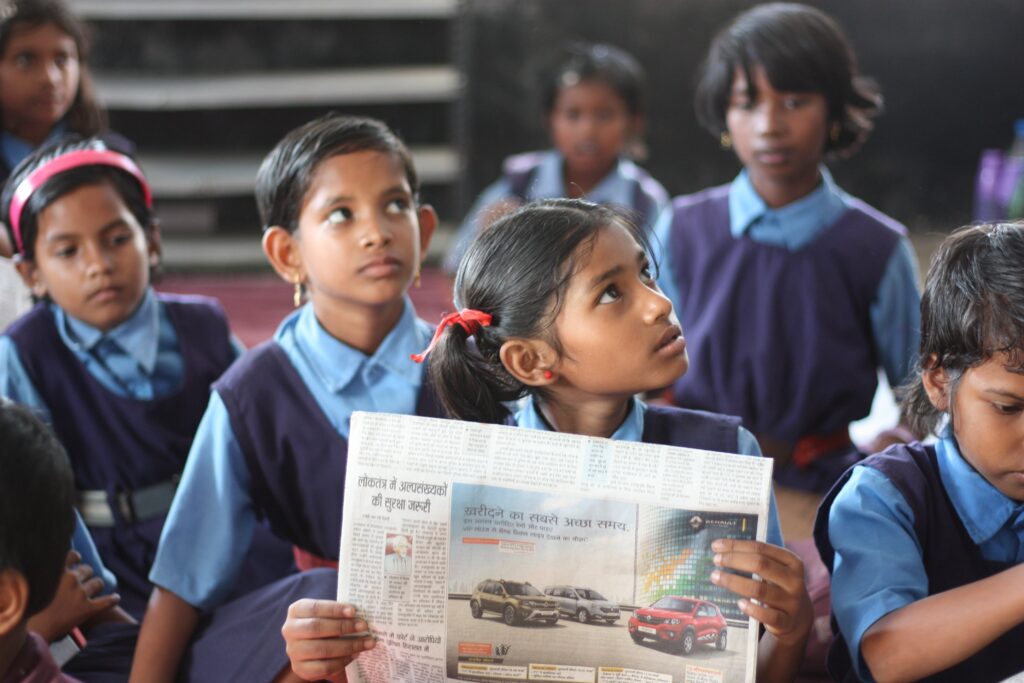
According to official statistics, out of the 193 million children (between the age of 6 to 14), a staggering 8.1 million children were out of school in the year 2010. The number has only increased in the last decade.
Child Education – The Way For India In 2021
With a young and dynamic population that has dwarfed the ageing and dependent category, it is not unfair to rule out India’s magnificent talent but talent alone doesn’t cut it for the country.
Over 10 million children sit at home and are yet to attend school for a single day. Moreover, a study in 2018 showed that half of the children in class 5th cannot read a text from the 2nd standard. Tells you the rot in the system, which needs proper addressing.
Challenges To India’s Growth – the 2000s to 2021
Extreme poverty, forced child labour, high cost of private education, dwindling levels of public sector education, and recently, the covid19 pandemic, everything has impacted India’s demographic dividend or any plans to set it right.
Even before the Covid-19 pandemic hit, unemployment levels in India had hit a 45-year high. Post the subsequent lockdowns, it is even worse.
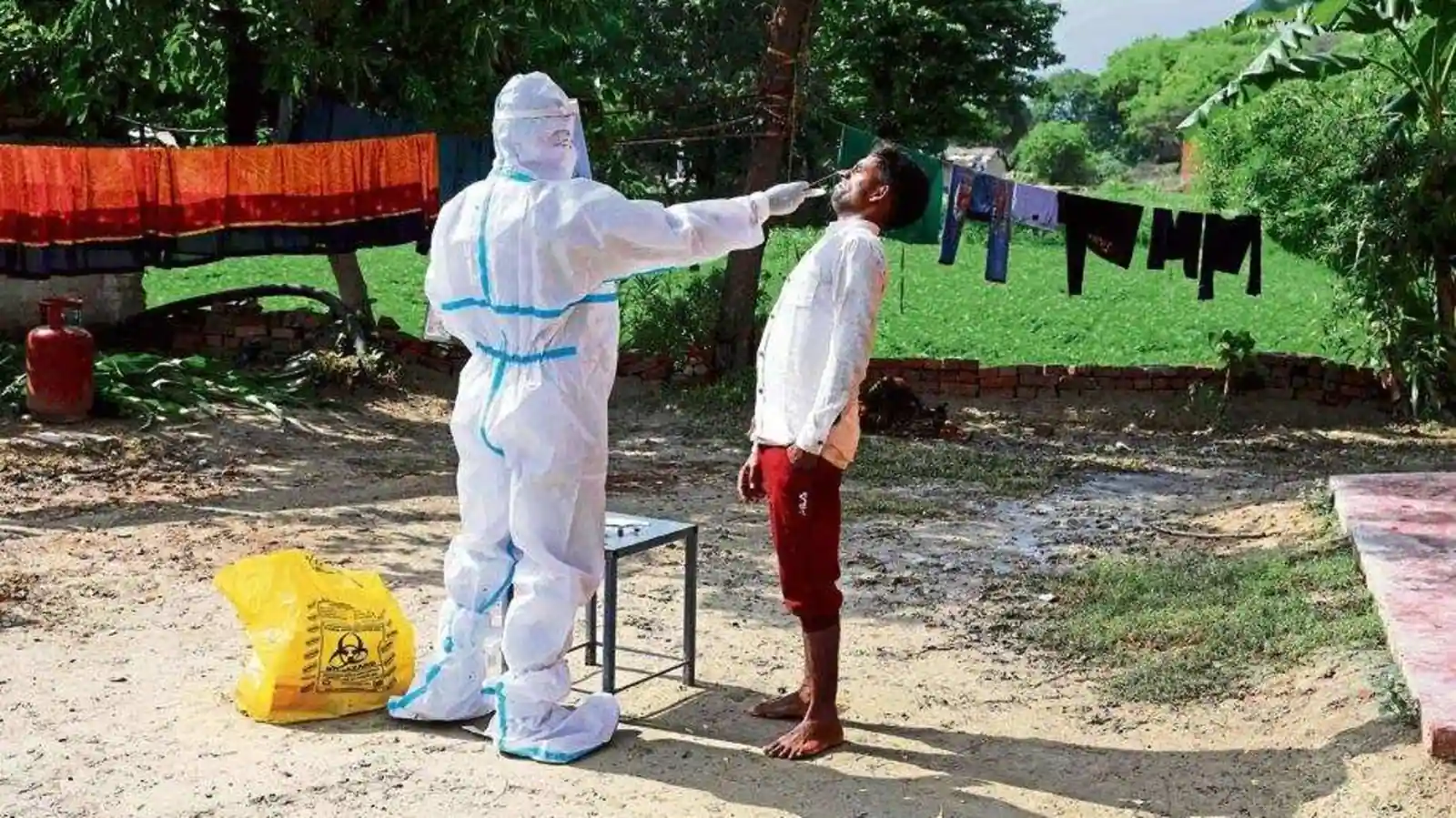
A study, from the Centre of Science and Development, revealed that the global pandemic will have long-lasting effects on more than 375 million children.
Government programmes like mid-day meal schemes, which encouraged school enrolment have taken a hit during the pandemic. Even those students who managed to remain enrolled have faced difficulties in accessing education due to the vast digital divides across income groups.
Potential & A Young Population – Our Last Hope In 2021
Despite all odds, and statistics, stacked against India’s growth, there’s one thing the vast country has that no other nation can afford. That’s a young and dynamic working population in 2021, in the new normal.
But to do so, we must focus on 3 distinct directions:
Goes without saying that a rise in women workers will be accompanied by a decline in fertility rates. But that’s a sacrifice we must be ready to make, considering our humongous population.
Jobs and infrastructure creation is a must for us to make the most of our demographic dividend.
Read about the potential schemes to increase the number of school-going kids in India, in our next instalment.

We are team of self motivated individual with an aim is to create a model for development that can be replicated at scale across India and the world.