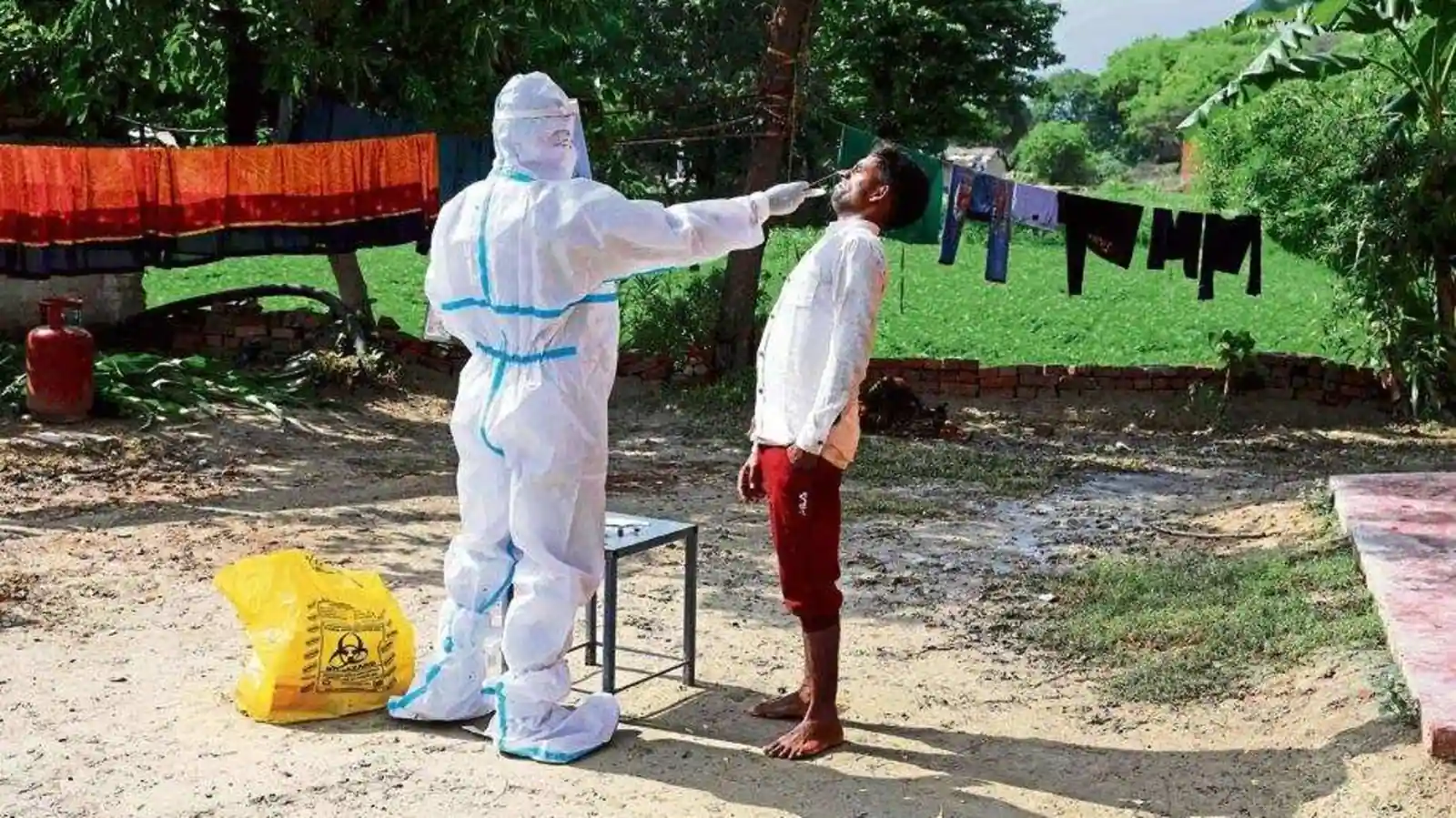
New Challenges Emerge in Rural India due to Coronavirus
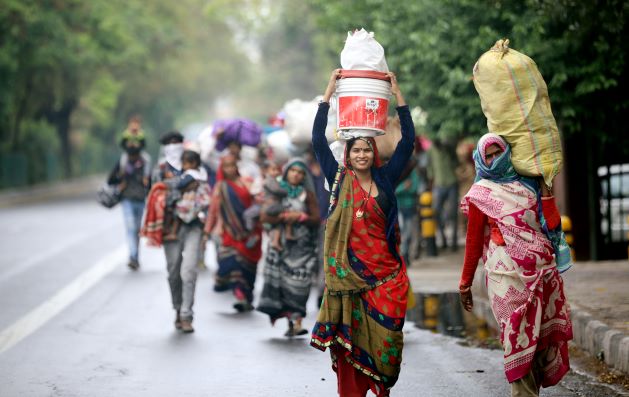
If living in your 3-room flat, in isolation, is a problem for you or your family, imagine doing that in a kaccha (semi-solid) establishment in a remote village of Uttar Pradesh or Haryana. With one doctor/dispensary to treat an average village count of 13,000 and beyond, the conditions worsened with the coronavirus pandemic.
If not the ordinary sanitation in rural Indian villages, then the problem of limited testing centres and an ever-so-stagnant vaccination drive has surely killed any hope in the rural sectors.
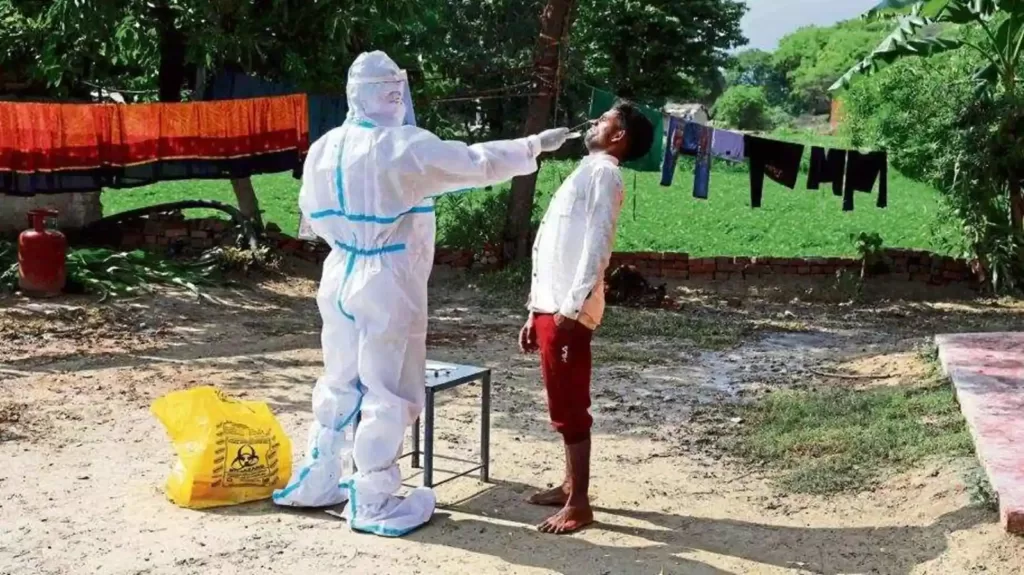
Limited or No Testing Centers: Once the wave travelled deep into our country’s rural pockets, there was no going back! After a majority of Indian villages reported symptoms and signs of catching the coronavirus, the struggle against time had already started.
With more deaths every day, healthcare facilities – which were incompetent even before the pandemic arrived – were now flattened.
Limited or No Immunity: If someone told you villages were less likely to get affected by the virus, then it was another hoax passed on to you because that’s just not the case it seems in India.
Many patients who recovered reported symptoms of black fungus, and other such post-covid complications. To add to their misery, the unavailability of hospitals and doctors meant long travel, sometimes people falling short or dying while on their way for treatment. Covid19 in rural India is, so far, a threat too complex to handle.
With vaccination the only hope left for humanity to rekindle and recover, it must be seen how long it takes before rural sectors develop a herd immunity.
While experts quarrel and debate about a time frame, everyone agrees that raising basic awareness and improving sanitation levels in urban, as well as rural areas, is a must.
You can read about the effects of the coronavirus on our country’s different states, and their rural sections, in the next instalment of this series.